
What is overnight respite care and how does it function in residential or community settings?
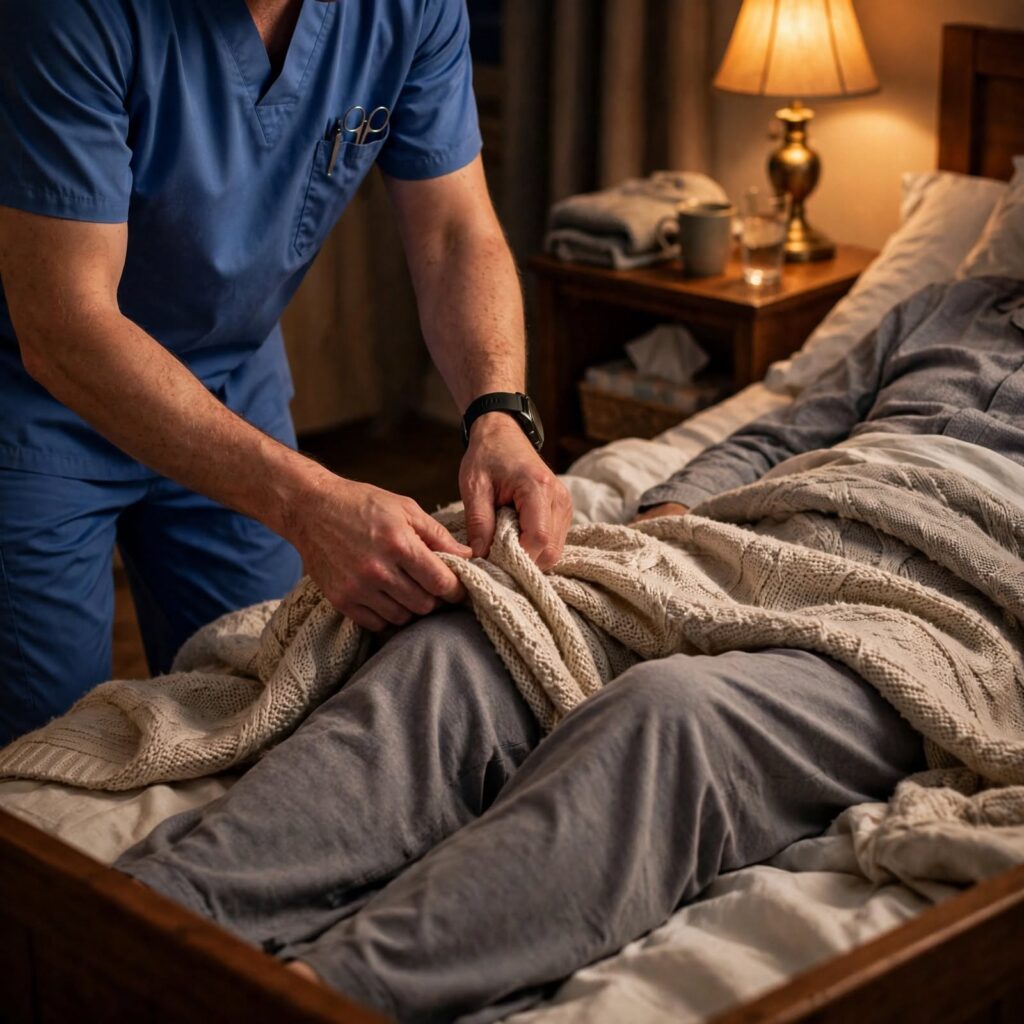
Overnight respite care functions as a specialized temporary accommodation service where a participant stays overnight in a fully supported residential facility, host family home, or dedicated respite house while their primary family caregiver receives extended rest. Operations are managed by 24-hour care teams comprising registered nurses, personal support workers, and residential coordinators who oversee night-time supervision, personal care, medication schedules, and morning routines. Facilities are configured to provide private or semi-private bedrooms, accessible ensuite bathrooms, secure perimeters, and common living areas that mimic a comfortable home environment rather than an institutional hospital ward. Intake coordinators establish detailed overnight care plans mapping out evening medication times, bedtime rituals, nighttime continence needs, and emergency medical protocols to ensure complete continuity of care. Field observations across Australian respite networks indicate that scheduled overnight stays significantly reduce chronic caregiver fatigue and prevent premature permanent residential placements by offering families dependable multi-day breaks. Participants benefit from a change of scenery and structured social engagement during the day before settling into comfortable sleeping quarters supported by trained nocturnal staff.
| Operational Element | Key Feature Focus | Primary Objective |
| Facility Setup | Domestic-style rooms with 24-hour awake staff | Providing safe, comfortable residential accommodation |
| Night Supervision | Continuous monitoring and emergency call systems | Ensuring rapid response to nighttime medical or personal needs |
| Care Continuity | Matching daytime routines and evening medication protocols | Minimizing disruption to participant habits |
| Shift Handover | Detailed digital logs between incoming and outgoing staff | Maintaining flawless safety and communication standards |

What specific care services and nighttime supports are included during an overnight stay?
Overnight respite stays include comprehensive evening support, nighttime supervision, personal care assistance upon waking, and freshly prepared morning meals tailored to individual dietary profiles. Evening schedules begin with welcoming participants into the facility, unpacking personal belongings, and engaging in relaxing pre-bedtime activities such as watching television, listening to music, or reading. Personal care assistance covers evening hygiene routines, showering or bathing, changing into sleepwear, and managing toileting needs prior to lights out. Nighttime monitoring involves staff conducting regular visual checks or responding immediately to call pendants and sensor mats if the participant wakes, wanders, or requires repositioning to prevent pressure injuries. Medication management is strictly administered according to prescribed evening and overnight schedules, ensuring correct dosages are delivered on time. Morning routines involve prompt awakening assistance, morning hygiene care, dressing, grooming, and a nutritious breakfast cooked to match individual dietary requirements or texture modifications before the day program begins or family pickup occurs.
| Support Phase | Specific Tasks Included | Operational Standard |
| Evening Transition | Arrival greeting, unpacking, and relaxing leisure activities | Creating a welcoming and low-stress environment |
| Personal Hygiene | Bathing, dental care, toileting, and changing into sleepwear | Preserving personal dignity and privacy |
| Nighttime Monitoring | Regular checks, call button response, and wandering supervision | Maintaining continuous safety throughout sleeping hours |
| Morning Routine | Awakening, dressing, hygiene care, and breakfast preparation | Starting the day with structured comfort and nutrition |
Who is the ideal candidate for overnight respite care services?
The ideal candidate for overnight respite care includes individuals with high physical support needs, participants with advanced dementia who experience severe nocturnal wandering, and families facing critical caregiver exhaustion or upcoming medical procedures. Participants whose care requirements demand round-the-clock supervision benefit enormously from professional overnight facilities that relieve family members from the heavy burden of broken sleep. Caregivers who experience chronic sleep deprivation due to night-time waking, frequent repositioning, or wandering behaviors find overnight respite essential for preserving their own physical and mental health. Individuals who enjoy social interaction and adapt well to temporary environments can also use short-term overnight stays as a stepping stone toward building independence or preparing for future supported living options. Conversely, participants with severe medical instability requiring acute hospital-level interventions or those experiencing acute trauma from environmental changes may require specialized clinical care rather than standard residential respite. Comprehensive initial intake assessments evaluate behavioral profiles, medical stability, and nighttime support loads to ensure the facility environment is entirely suitable for the participant.
| Candidate Profile | Key Characteristics | Suited Support Focus |
| Sleep-Disrupted Caregivers | Families suffering chronic exhaustion from nighttime care | Multi-night respite blocks to restore caregiver health |
| Advanced Dementia Support | Participants prone to nocturnal wandering and confusion | Secure perimeter facilities with 24-hour awake supervision |
| High Physical Needs | Individuals requiring frequent turning or lifting at night | Well-equipped rooms with hoists and trained night staff |
| Planned Surgery Relief | Families needing care cover during caregiver medical leave | Reliable short-term accommodation for scheduled periods |
When should families utilize overnight respite care instead of standard daytime services?
Families should utilize overnight respite care when cumulative caregiver exhaustion reaches critical levels, when multi-day personal travel or medical procedures are scheduled, or when managing complex behavioral shifts requiring round-the-clock relief. Chronic sleep deprivation is a primary trigger for booking overnight respite, as weeks of broken rest severely impair a caregiver’s immune system, cognitive function, and emotional resilience. Planned events such as family weddings, personal holidays, or elective surgeries cannot be managed with daytime-only care, making multi-day overnight stays an absolute necessity to keep the care arrangement sustainable. When caring for individuals with advanced neurological conditions who experience severe sundowning or reversed sleep cycles, overnight respite gives families essential multi-night recovery windows. Crisis situations where a primary caregiver falls suddenly ill or experiences a family emergency also require immediate activation of emergency overnight respite allocations. Planning regular quarterly or bi-annual overnight respite breaks helps prevent burnout crises before they occur, maintaining household stability and long-term care viability.
| Trigger Scenario | Operational Requirement | Primary Household Benefit |
| Chronic Sleep Deprivation | Multi-night residential stay with awake night staff | Restoring physical health and emotional stamina through unbroken sleep |
| Planned Medical Leave | Extended respite block covering hospital stays or surgery | Complete peace of mind during caregiver recovery periods |
| Family Milestones | Short-term accommodation during weddings or holidays | Allowing caregivers to participate fully in life events |
| Behavioral Escalation | Specialized facility stay during difficult transitional phases | Professional intervention and temporary family relief |
What are the primary benefits of overnight respite for both participants and caregivers?
Overnight respite delivers profound benefits centered around restorative sleep for caregivers, social stimulation and safe accommodation for participants, and overall strengthening of long-term family care relationships. For caregivers, securing multiple consecutive nights of uninterrupted sleep is a transformative experience that dramatically lowers stress hormones, revitalizes energy levels, and prevents caregiver burnout. For participants, residential respite houses offer a safe, engaging environment featuring social dining, group activities, and friendly peer interactions that enrich their weekly routine. The temporary separation allows both parties to reset emotionally, reducing interpersonal tension and fostering renewed patience and affection when they reunite. Financial sustainability is also protected, as utilizing planned respite prevents the sudden, traumatic breakdown of home care arrangements that frequently lead to permanent, unwanted nursing home admissions. Furthermore, participants build familiarity with residential support environments over time, making future transitions or emergency placements significantly smoother and less intimidating.
| Beneficiary Group | Key Advantage | Long-Term Impact |
| Primary Caregivers | Uninterrupted multi-night sleep and deep physical rest | Prevents burnout and sustains long-term care capacity |
| Care Participants | Engaging social activities and secure 24-hour supervision | Enriches daily life and builds adaptability to new settings |
| Family Dynamics | Emotional reset and reduced interpersonal friction | Strengthens relationship quality and mutual patience |
| Care Sustainability | Avoiding crisis-driven permanent facility placements | Keeps families together safely for as long as possible |

How can families prepare a participant for a successful overnight respite stay?
Families can prepare a participant for a successful overnight respite stay by organizing a gradual introduction schedule, packing a well-labeled overnight bag, and providing comprehensive care documentation to facility staff. Preparation begins with organizing a daytime visit or a single trial overnight stay to familiarize the participant with the bedrooms, staff members, and daily rhythm of the facility. Packing an overnight bag requires careful organization of comfortable sleepwear, casual daytime clothing, toiletries, mobility aids, and a sufficient supply of prescription medications clearly sorted in blister packs or pharmacy dispensers. Providing facility coordinators with a detailed written care profile covering favorite foods, soothing bedtime rituals, anxiety triggers, and communication preferences gives night staff practical tools to comfort the participant. Communicating positively about the upcoming stay as an exciting mini-holiday or club stay helps build emotional readiness rather than anxiety. Establishing clear communication channels and emergency contact protocols with the facility manager ensures families can step away for their break with absolute confidence and peace of mind.
| Preparation Step | Practical Action Required | Expected Outcome |
| Trial Overnight Stay | Booking a single test night before a longer booking | Familiarizing participant with rooms and night staff |
| Bag Organization | Packing labeled clothes, toiletries, and medication packs | Ensuring staff have instant access to necessary items |
| Care Profiling | Writing down bedtime habits, triggers, and preferences | Equipping staff to manage nighttime routines smoothly |
| Positive Communication | Framing the stay as a pleasant mini-break or holiday | Reducing apprehension and building emotional comfort |