


Positive, person-centred NDIS behaviour support that looks at the reasons behind behaviour and builds calmer, safer and more connected days.

Before any plan is written, we take time to learn who you are, what you enjoy, how you communicate and what a good day feels like. Behaviour always has a reason, and our work starts with finding it.

A structured look at what happens before, during and after challenging behaviour, across settings such as home, school and community. This shows us what the person is trying to say or get.

A clear, written plan that explains proactive strategies, how to respond in the moment and how to help the person learn new ways to meet their needs. It is written in language families and support workers can follow.

Practical teaching in areas like expressing needs, managing frustration, coping with change and making choices. Small, steady wins add up to real change.

Coaching for parents, carers and workers so everyone responds in the same calm, consistent way. A plan only works when the people around the person can put it into practice.

We track progress, record what is working and share what we learn with you and your wider team. Where required, we also work within NDIS rules on restrictive practices and reporting.
When behaviour becomes hard to manage, families often feel exhausted, judged and unsure where to turn. We want you to know that behaviours of concern are rarely about being difficult. They are usually a signal that a need is not being met.
Kaya is based in Paralowie, and we work with individuals, families and providers across Adelaide. Being local means we can attend home visits, join meetings with schools and day programs and respond quickly when something changes.
The people who started Kaya have supported family members with disability, so we understand the pressure behind the question “what do I do when this happens again?” We approach every conversation without blame, and with respect for the person at the centre.
Our approach is built on dignity, choice and the least restrictive response possible. We aim to reduce the need for restrictive practices over time, and we only work with people who are properly trained, screened and suited to the individual we are supporting.
We keep the path clear and unhurried. At each stage you will know what we are doing, why we are doing it and what comes next.
We listen to your concerns, your goals and what has been tried already. You tell us the story, and we help you decide whether and how behaviour support is the right fit.
We gather information from you, the person and others in their life, and observe how things unfold in everyday settings. This is where patterns and triggers become visible.
We write the support plan with you, explain it plainly and train the people who will use it. Questions and changes are welcome before anything is finalised.
We return regularly to check what is helping and what is not. As the person grows and circumstances change, the plan changes with them.
Behaviour support is usually funded under the Improved Relationships category, within Capacity Building supports in an NDIS plan. If your plan does not mention behaviour support, speak to your planner or support coordinator, as it may be possible to include it at your next review.
Fees depend on what the work involves. Assessment, plan writing, observation, training and reporting each take different amounts of time, and the complexity of the person’s situation also plays a part. We will explain the likely hours at the start so you can see how they fit within your budget.
You will always receive a written quote and service agreement before work begins. What we agree is what you pay, with no extras added along the way.

We have walked beside families through tough seasons, and that shapes how gently and practically we work.

We build on what a person already does well, rather than focusing only on what goes wrong.

Our plans are written for real households, with strategies you can put into practice on a busy Tuesday afternoon.
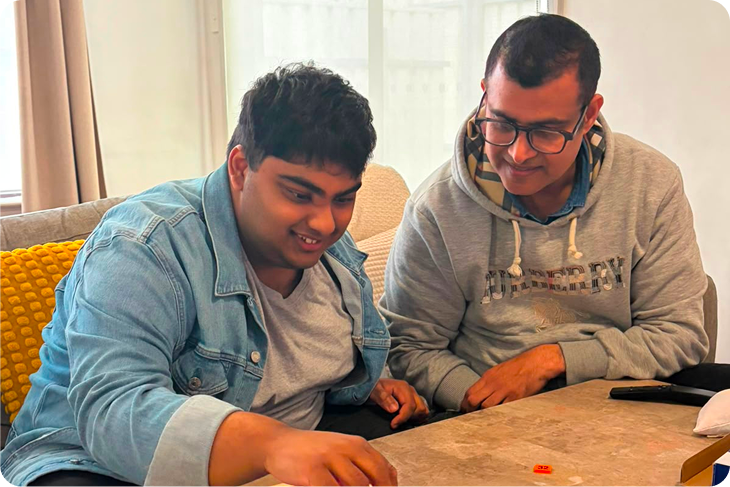
You will always know what we are observing and recommending, and your voice carries weight at every step.

It is a way of understanding why a person behaves in ways that cause harm or limit their life, and then teaching new skills and changing the environment to improve things. It focuses on quality of life, not control.
Anyone with an NDIS plan that includes funding for it, including children, teenagers and adults. If you are unsure, we can help you work out the next step.
It is a written document that describes why behaviours happen and sets out strategies to prevent them and respond safely. It is shared with the people who support the person.
Not necessarily. Support is based on the person’s needs and what is in their NDIS plan, rather than a particular label.
That varies with the situation. Most people can expect assessment and plan development to take several weeks, followed by ongoing review.
Yes, with your consent. Consistent approaches across settings tend to give the best results.
Absolutely. Families are central to the process, and we encourage their input, questions and feedback throughout.
Restrictive practices limit a person’s rights or freedom of movement. Our aim is to avoid them wherever possible, and any use is regulated under NDIS rules.
Tell us. We review regularly and adjust quickly, because a plan should keep fitting the person as they change.
Phone, email or fill in the contact form. We will set up a relaxed first conversation with no obligation.

and Families