

Moving well makes everyday life easier. Kaya’s physiotherapists help you reduce pain, regain movement and do more of what matters, with treatment that fits your life.

We look at how you move, where it hurts, what’s changed and what you want to get back to doing. You leave with a clear plan that explains what we’ll do and why.

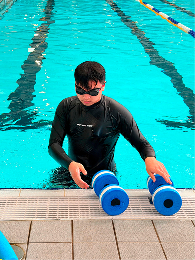
Hands-on techniques, targeted exercises and practical advice to ease pain and support recovery from injury, surgery or long-term conditions.

We work on balance, gait and confidence, helping you move around the home and community more safely, with or without a walking aid.

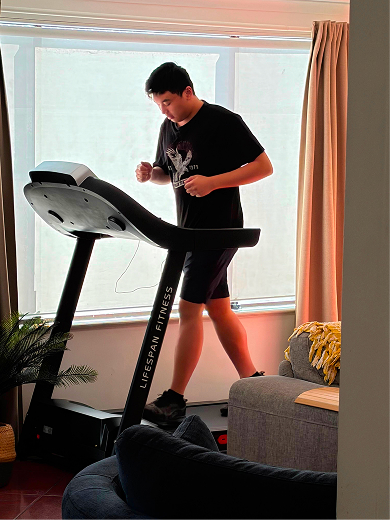
Simple, purposeful exercises you can actually keep up. We show you each one in person and adjust it as your strength improves.

We advise on mobility aids, positioning and home setups that reduce strain and lower the risk of falls, and we help you get the most out of equipment you already use.

Carers learn safe techniques for transfers, positioning and daily exercises, protecting both their backs and your comfort.
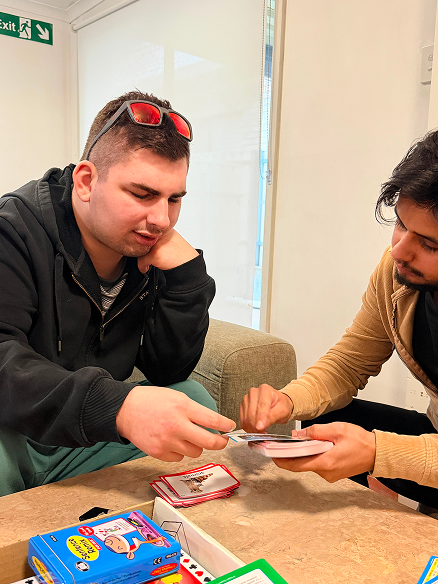
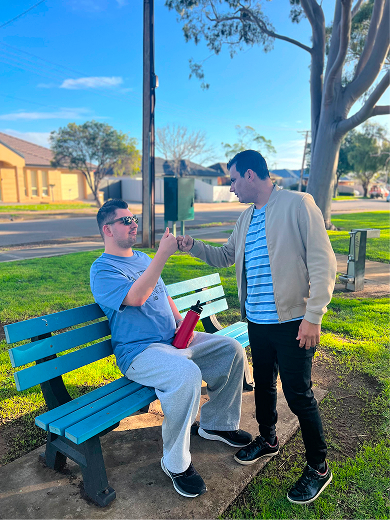
Many people with disability find clinic visits tiring, costly or hard to arrange. That’s why our physiotherapy comes to you, whether that’s at home, a day program, a community venue or a local park. Treating you in the places you actually move around in often gives better, more practical results.
Kaya serves clients across Adelaide and the surrounding suburbs. We look at your whole situation, including your health history, your daily routine, your living space and the people who support you, rather than treating one sore joint in isolation.
Our physiotherapists explain things in plain language, check you’re comfortable at every step and never rush a session. If something is uncomfortable, tell us and we’ll change it. Treatment works best when you feel in control.
We also work alongside your GP, specialists, occupational therapists and support workers, with your consent, so everyone is working towards the same goals and your care stays joined up.
We keep things clear from the first call, so you always know what comes next.
Tell us a little about your situation. We’ll talk through your needs and find a time that suits you.
Your physiotherapist assesses your movement, strength and pain, then sets goals with you, such as walking further, reducing pain or transferring more easily.
We begin treatment and give you simple exercises to practise between visits, with written or demonstrated instructions so nothing is forgotten.
We measure progress against your goals, update the plan and let you, and your supporters if you wish, know how things are going.
Fees depend on the type of session, how long it runs and where it takes place. A first assessment usually takes longer than follow-up visits, and travel to your location may also be a factor. We’ll explain this before you book.
Physiotherapy may be funded through NDIS plans, Medicare with an eligible care plan, DVA, aged care packages or private payment. Which one applies depends on your circumstances, and we’re happy to help you find the best fit.
You’ll receive a transparent quote, and we’ll tell you ahead of time if the number of sessions you need changes.

Treatment focuses on what helps you in daily life, not just what looks good on paper.

You’ll always understand your plan and what each exercise is for.

We work with your wider support team so nothing falls through the cracks.
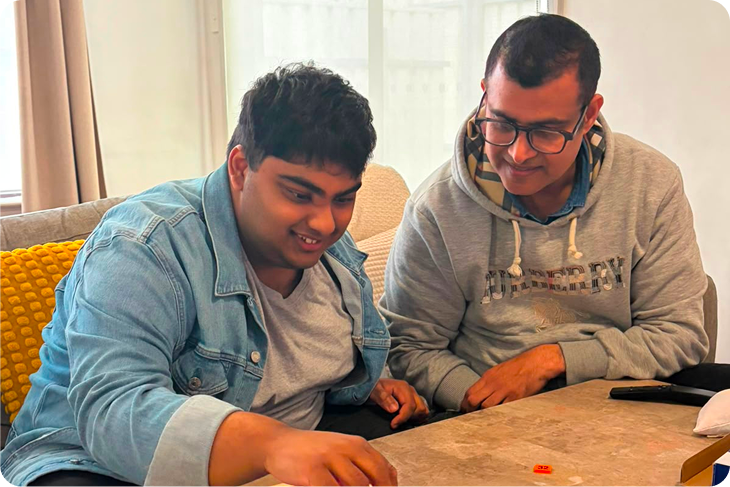
We take the time to listen, adapt and check you’re comfortable.

Physiotherapists assess and treat problems with movement, strength and pain using hands-on techniques, exercise programs and practical advice.
We’ll ask about your health, goals and daily routine, then examine your movement and discuss a plan. Wear comfortable clothing, and bring any aids you use.
Treatment shouldn’t cause sharp or lasting pain. Some exercises may feel challenging, but we adjust the approach whenever you tell us something is too much.
It varies. Some people improve in a few visits, while others benefit from ongoing support. We review your progress regularly and talk openly about what’s next.
Some people feel relief quickly, while strength and mobility changes often take weeks. We’ll set realistic timeframes at the start.
Yes. We work with people at all levels of mobility, and treatment can include seating, positioning, transfers and strength work.
Often, yes. Balance and strength training, plus advice on footwear, aids and home setup, can reduce your risk.
We’ll adapt the program, simplify the steps or show family members and support workers how to help you.
Not always. Some funding sources require a referral or care plan, so we’ll tell you what’s needed when you book.
Yes. We work with many long-term and complex conditions, and we coordinate with your doctor or specialist when needed.

and Families